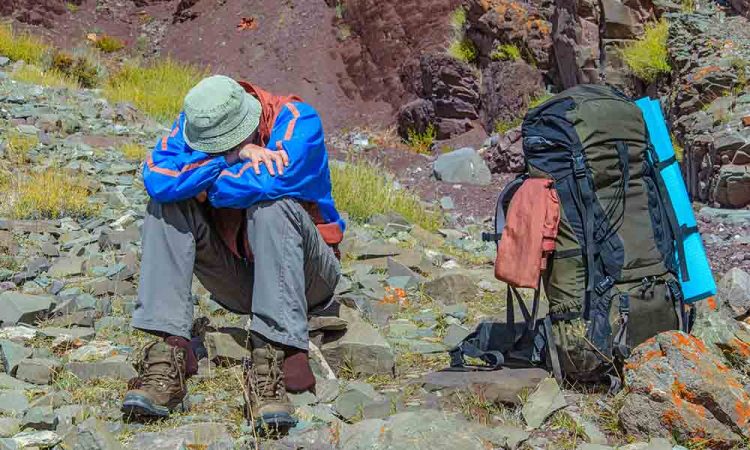
"Kilimanjaro creates its own weather, offering everything from tropical rainforests to arctic summit conditions. Understanding these patterns is the key to choosing your perfect climbing window and preparing adequately for the mountain's mood swings."
Mount Kilimanjaro's unique equatorial position combined with its massive elevation creates one of the most diverse weather systems of any mountain on Earth. Climbers experience five distinct climate zones during their ascent, each with its own weather characteristics, temperature ranges, and challenges. Choosing the right time to climb can dramatically impact your comfort, safety, and summit success probability. This comprehensive weather guide will help you understand Kilimanjaro's seasonal patterns, temperature variations, and what to expect during your climb.
Understanding Kilimanjaro's Climate Zones
Kilimanjaro's weather isn't just about seasons—it's about vertical climate zones that change dramatically as you ascend. Each zone presents unique weather conditions that require specific preparation and gear.
Kilimanjaro spans an incredible 4,900 meters (16,000 feet) of vertical relief, creating microclimates that range from equatorial to arctic conditions within just a few days of hiking.
The five distinct climate zones you'll experience:
- Cultivation Zone (800-1,800m): Warm temperatures, agricultural lands
- Rainforest Zone (1,800-2,800m): Humid, frequent rainfall, lush vegetation
- Heath/Moorland Zone (2,800-4,000m): Cooler temperatures, variable clouds
- Alpine Desert Zone (4,000-5,000m): Extreme temperature swings, minimal vegetation
- Arctic Summit Zone (5,000-5,895m): Freezing temperatures, high winds, snow conditions
Seasonal Weather Patterns: When to Climb
Kilimanjaro experiences two distinct dry seasons and two rainy seasons, creating four primary climbing windows with different advantages and challenges.

Understanding seasonal patterns helps choose the optimal climbing window for your preferences and goals
Long Dry Season: June to October (Best Conditions)
This period offers the most stable weather conditions and highest summit success rates:
Weather Characteristics: Clear skies, minimal precipitation, excellent visibility, and moderate temperatures at lower elevations. Summit nights are cold but generally clear.
Advantages: Dry trails, minimal rain gear needed, spectacular views, comfortable hiking temperatures during the day.
Considerations: This is the most popular time, meaning more climbers on the routes. Advance booking is essential, and temperatures can be quite cold at higher elevations, especially at night.
Short Dry Season: December to March (Excellent Alternative)
The second-best climbing window with generally good conditions:
Weather Characteristics: Warmer temperatures than the long dry season, occasional brief showers possible, generally clear skies with good visibility.
Advantages: Warmer conditions, fewer crowds than peak season, beautiful green landscapes from recent rains.
Considerations: Slightly higher chance of precipitation, particularly in March as the long rains approach. Summit conditions can be windy but generally manageable.
85%
Summit success rate in dry seasons
5-10°C
Average summit temperatures
10-15mm
Monthly rainfall in dry season
Rainy Seasons: Challenges and Considerations
While the rainy seasons present additional challenges, they also offer unique advantages for experienced climbers seeking solitude and dramatic landscapes.
Long Rains: March to May (Most Challenging)
This period sees the heaviest rainfall and most difficult climbing conditions:
Weather Characteristics: Persistent rainfall, muddy trails, limited visibility, and colder overall conditions. Summit attempts often face snow and high winds.
Challenges: Wet gear, slippery trails, limited mountain views, and lower summit success rates (approximately 60-70%).
Potential Advantages: Complete solitude on the mountain, lush green landscapes, and lower prices. Only recommended for experienced climbers with proper wet weather gear.
Short Rains: November (Variable Conditions)
A transitional period with unpredictable weather patterns:
Weather Characteristics: Brief but intense afternoon showers, mixed sunny periods, and rapidly changing conditions. Mornings are typically clear with clouds building throughout the day.
Advantages: Fewer climbers, beautiful cloud formations, and dramatic lighting for photography.
Considerations: Unpredictable weather requires flexibility and comprehensive gear for both wet and dry conditions.
Local Guide Insight: The short rains in November are often called "green season" by local guides. While you might experience afternoon showers, the mornings are typically spectacularly clear, and the mountain is at its most beautiful with vibrant green vegetation and dramatic cloud formations.
Temperature Ranges by Elevation
Understanding temperature variations is crucial for proper gear selection and mental preparation. Kilimanjaro's temperatures can swing dramatically between day and night and across different elevations.

Temperature decreases approximately 1°C for every 200 meters gained in elevation
Rainforest Zone (1,800-2,800m)
The warmest section of your climb with high humidity:
Daytime Temperatures: 20-25°C (68-77°F) - comfortable for hiking in light layers
Nighttime Temperatures: 10-15°C (50-59°F) - requiring light insulation
Special Considerations: High humidity can make temperatures feel warmer, and rain is common regardless of season in this zone.
Heath/Moorland Zone (2,800-4,000m)
Where temperatures begin to drop significantly:
Daytime Temperatures: 15-20°C (59-68°F) - perfect hiking weather with light layers
Nighttime Temperatures: 5-10°C (41-50°F) - requiring proper sleeping bags and insulation
Special Considerations: Strong sun exposure during the day contrasts with chilly evenings. Sun protection becomes increasingly important.
Alpine Desert and Summit Zones (4,000-5,895m)
The coldest sections where proper gear is essential:
Daytime Temperatures: 5-15°C (41-59°F) - but feels colder due to wind chill
Nighttime Temperatures: -5 to -15°C (23-5°F) - with summit nights reaching -20°C (-4°F) with wind chill
Special Considerations: Wind speeds can reach 50+ km/h, creating dangerous wind chill conditions. Proper summit gear is non-negotiable.
25°C
Max rainforest temperature
-20°C
Min summit temperature
45°C
Total temperature range
Start Planning Your Adventure Today
Get expert advice and personalized safari itineraries from our local Tanzania specialists
Monthly Weather Breakdown
Each month offers unique weather characteristics that can influence your climbing experience and preparation requirements.
January-February: Warm Dry Season
Generally clear skies with warm daytime temperatures and cool nights. Excellent visibility and dry trails make these popular climbing months.
March: Transition to Long Rains
Increasing cloud cover and occasional showers, particularly in the afternoons. Still reasonable climbing conditions early in the month.
April-May: Peak Rainy Season
Heavy rainfall, muddy conditions, and limited visibility. Only recommended for experienced climbers with proper wet weather gear.
June-October: Prime Climbing Season
Stable weather, clear skies, and excellent climbing conditions. June can still have some residual clouds while July-October are typically perfectly clear.
November: Short Rains Transition
Unpredictable weather with morning clarity and afternoon showers. Beautiful green landscapes with fewer crowds.
December: Early Dry Season
Improving conditions with warm temperatures and decreasing rainfall. A great option for holiday season climbs.
Weather Factors Affecting Summit Success
Several weather-related factors can significantly impact your summit attempt and overall climb experience.
Wind Conditions
Wind is often the most challenging weather factor on Kilimanjaro:
Summit Winds: Can reach 50-80 km/h, creating dangerous wind chill and physical challenges
Seasonal Patterns: Strongest during January-February and June-August
Management: Proper wind layers, balaclavas, and goggles are essential for summit success
Precipitation and Cloud Cover
Rain and clouds affect both comfort and experience:
Trail Conditions: Wet trails are slippery and require careful footing
Visibility: Cloud cover can obscure the spectacular views you're climbing to see
Gear Requirements: Comprehensive rain protection is essential during rainy seasons
Temperature Extremes
Managing body temperature is crucial for comfort and safety:
Layering System: Ability to add/remove layers as temperatures change throughout the day
Sleep Comfort: Proper sleeping bags rated for below-freezing temperatures
Summit Protection: Expedition-grade gear for extreme cold during summit night
The wind chill factor on summit night can make -10°C (14°F) feel like -25°C (-13°F). This is why proper gear selection is not just about comfort—it's about safety and summit success. Our guides monitor weather conditions constantly and will adjust summit timing based on wind forecasts to maximize your chances of success.
Climate Change Impact on Kilimanjaro Weather
Kilimanjaro's weather patterns are changing, and understanding these shifts is important for modern climbers.
Glacial Retreat
Kilimanjaro's famous glaciers have reduced by approximately 85% over the past century:
Current Status: Only small remnants remain, primarily on the crater rim
Climbing Impact: Less technical ice climbing required, but the visual spectacle has diminished
Weather Pattern Shifts
Changing precipitation patterns and temperature profiles:
Rainfall Changes: More unpredictable rainy seasons with intense downpours
Temperature Increases: Warmer average temperatures at all elevations
Seasonal Shifts: Traditional dry and wet seasons becoming less predictable
Long-term Implications
These changes affect the climbing experience and local ecosystems:
Water Availability: Changing patterns affect water sources for camps
Flora and Fauna: Vegetation zones are gradually shifting upward
Climbing Windows: Optimal climbing seasons may shift over time
Ready to Choose Your Perfect Climbing Dates?
Our weather experts analyze long-term patterns and current conditions to recommend the ideal climbing window for your preferences. Contact us to plan your Kilimanjaro adventure during the perfect season for your goals.