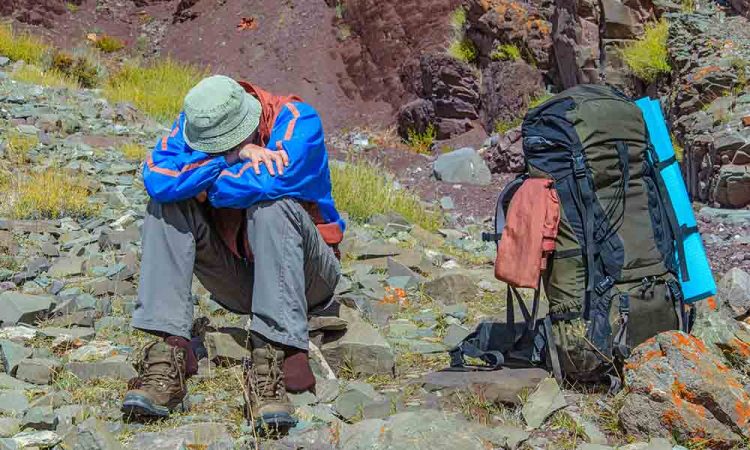
"Food is fuel on the mountain, and our chefs transform simple ingredients into culinary motivation. Eating well on Kilimanjaro isn't just about sustenance—it's a crucial strategy for summit success."
Nutrition plays a vital role in your Kilimanjaro success story. At high altitude, your body works harder, burns more calories, and faces unique digestive challenges. Our experienced mountain chefs craft menus that provide the necessary 3,000-5,000 daily calories while accommodating altitude-induced appetite changes. From hearty breakfasts that launch your day to celebratory summit dinners, every meal is designed to fuel your body and lift your spirits throughout this incredible journey.
The Science of High-Altitude Nutrition
Understanding how altitude affects your body's nutritional needs is key to appreciating our carefully planned menus. As you ascend, several physiological changes occur that impact digestion and metabolism.
Climbers can burn 4,000-6,000 calories daily on Kilimanjaro, yet many experience 30-50% appetite reduction at altitude. Our chefs overcome this paradox through strategic menu planning that maximizes nutritional density in appealing, easily digestible formats.
Key nutritional challenges at altitude include:
- Increased energy expenditure due to physical exertion and thermoregulation
- Reduced appetite and altered taste perception
- Impaired digestion and nutrient absorption
- Higher risk of dehydration affecting overall metabolism
- Increased carbohydrate utilization for energy
Breakfast: Fueling Your Day on the Mountain
Mountain breakfasts are designed to provide sustained energy for 4-7 hours of hiking while being appealing even when appetites are suppressed.

Hearty breakfasts provide the foundation for successful hiking days on Kilimanjaro
Typical Breakfast Menu
Each morning begins with a warming beverage and progresses to a substantial meal:
Beverage Selection: Choice of coffee, tea (black, ginger, or chai), hot chocolate, or Milo. Herbal teas and ginger tea are particularly popular for settling stomachs.
Porridge Variations: Creamy oatmeal or porridge made with milk powder, often enhanced with cinnamon, honey, dried fruits, or ground nuts for extra calories and flavor.
Protein Options: Scrambled eggs, sausages, or baked beans provide essential protein for muscle maintenance and satiety.
Carbohydrate Sources: Toast with jam or honey, pancakes, or chapati offer easily digestible carbohydrates for immediate energy.
Fresh Fruits: When available, bananas, oranges, or passion fruit provide vitamins and natural sugars.
Altitude Adaptation Strategy
As you ascend, breakfast menus subtly adapt to changing digestive capabilities:
Lower Altitudes (1,800-3,000m): Full breakfast spreads with multiple protein and carbohydrate options.
Middle Altitudes (3,000-4,500m): Simplified menus focusing on easily digestible carbohydrates with reduced fat content.
High Altitudes (4,500m+): Liquid-heavy options like porridge and nutrient-dense drinks for summit day preparation.
700-900
Breakfast calories target
60%
Carbohydrates in breakfast
3-4
Beverage options available
Lunch: Energy Maintenance on the Trail
Lunch on Kilimanjaro is typically a packed affair eaten during a scenic break along the trail, designed for convenience and rapid energy replenishment.
Standard Lunch Package
Our lunch boxes balance nutrition, portability, and appeal:
Sandwich Selection: Freshly made sandwiches with various fillings—cheese, chicken, egg, or vegetable—on whole wheat or white bread.
Energy Snacks: Granola bars, biscuits, cookies, or energy balls provide quick-release carbohydrates.
Fresh Components: Piece of fruit (apple, orange, or banana), carrot sticks, or cucumber slices add freshness and vitamins.
Sweet Treats: Muffins, cake slices, or chocolate bars offer mental boost and additional calories.
Hot Supplement: On colder days or at higher camps, soup is often served alongside lunch boxes.
Chef's Tip: Many climbers find they prefer eating smaller amounts more frequently rather than a single large lunch. Don't hesitate to save parts of your lunch box for grazing throughout the afternoon hike. Listening to your body's signals is more important than finishing everything at once.
Dinner: Recovery and Preparation
Evening meals focus on replenishing energy stores, aiding muscle recovery, and preparing your body for the next day's challenges.

Nutrient-dense dinners support recovery and preparation for upcoming altitude gains
Typical Dinner Menu Structure
Dinners follow a three-course format to ensure comprehensive nutrition:
Starter Course: Warming soup—cream of vegetable, pumpkin, tomato, or lentil—that aids hydration and stimulates appetite.
Main Course: Balanced plate with carbohydrate base (rice, pasta, or potatoes), protein source (chicken, beef, or fish), and vegetable component.
Dessert: Simple sweets like fresh fruit, custard, or cake provide psychological comfort and additional calories.
Popular Dinner Entrees
Our chefs rotate through climber-favorite dishes:
African Specialties: Traditional dishes like ugali (maize porridge) with stew, or pilau rice with grilled meat introduce local flavors.
International Favorites: Spaghetti bolognese, fried chicken with rice, or fish with mashed potatoes offer familiar comfort foods.
Vegetarian Options: Lentil curry, vegetable stir-fry, or bean stews provide plant-based protein and fiber.
Start Planning Your Adventure Today
Get expert advice and personalized safari itineraries from our local Tanzania specialists
Hydration Strategy: More Than Just Water
Proper hydration is arguably more important than solid food on Kilimanjaro, affecting everything from acclimatization to digestion.
Beverage Program
We provide a comprehensive hydration system throughout your climb:
Water Purification: All drinking water is properly treated using filtration, boiling, or chemical purification to ensure safety.
Electrolyte Support: Electrolyte powder supplements are available to add to your water bottles, combating sodium loss through sweating and respiration.
Warm Beverages: Unlimited tea, coffee, and hot chocolate are available at meals and upon request at camp.
Specialty Drinks: Ginger tea for stomach settling, hydration formulas for recovery, and fruit juices for variety.
Hydration Monitoring
Our guides help you maintain proper hydration through:
Regular Reminders: Encouraging consistent sipping rather than large volumes at once.
Urine Monitoring: Teaching climbers to use urine color as a simple hydration indicator.
Individual Attention: Noticing signs of dehydration and providing personalized hydration strategies.
4-6L
Daily fluid intake recommended
3-4
Beverage types available
100%
Water safety guaranteed
Sample 7-Day Kilimanjaro Menu
This representative menu shows the variety and nutritional strategy across a typical week-long climb.
Day 1: Machame Gate to Machame Camp (3,000m)
Breakfast: Scrambled eggs, sausage, toast with jam, porridge with honey, fresh fruit, coffee/tea
Lunch: Chicken sandwich, carrot sticks, banana, chocolate biscuit
Dinner: Pumpkin soup, grilled chicken with rice and vegetables, fresh fruit salad
Day 3: Shira Camp to Barranco Camp (3,900m)
Breakfast: Pancakes with honey, baked beans, porridge with raisins, coffee/tea
Lunch: Cheese sandwich, apple, granola bar, boiled egg
Dinner: Vegetable soup, beef stew with ugali and sukuma wiki, custard with banana
Day 5: Karanga Camp to Barafu Camp (4,673m)
Breakfast: Oatmeal with nuts, toast with peanut butter, hot chocolate
Lunch: Energy bars, crackers with cheese, orange, soup
Dinner: Lentil soup, spaghetti bolognese, canned fruit
Summit Day: Barafu to Uhuru Peak (5,895m)
Midnight Snack: Biscuits, hot sweet tea, energy gels
Summit Celebration: Hot juice or tea at Stella Point
Post-Summit Lunch: Rehydration drinks, light soup, simple carbohydrates
Our chefs adjust menus in real-time based on group appetite, weather conditions, and altitude responses. Don't be surprised if you find unexpected treats or menu variations—these adjustments are part of our strategy to ensure every climber gets the nutrition they need in the most appealing format possible.
Special Dietary Requirements
We successfully accommodate various dietary needs with advance notice, ensuring all climbers receive proper nutrition.
Common Accommodations
Our kitchen team regularly prepares for these dietary requirements:
Vegetarian: Plant-based protein sources including lentils, beans, eggs, and dairy products with increased vegetable variety.
Vegan: Comprehensive plant-based menus using local vegetables, grains, and legumes with careful attention to protein complementarity.
Gluten-Free: Alternative grains like rice, maize, and potatoes with gluten-free bread and pasta options.
Lactose Intolerant: Dairy-free preparations using oil instead of butter, and lactose-free milk powder for beverages.
Religious Dietary Laws: Halal and Kosher options with proper ingredient sourcing and preparation protocols.
Communication is Key
For successful dietary accommodation:
Advanced Notice: Inform us of dietary requirements at least 30 days before your climb for proper provisioning.
Specific Details: Provide detailed information about restrictions, preferences, and severity of conditions.
Personal Snacks: Bring specialized snacks or supplements for peace of mind, though our chefs can accommodate most needs.
Snacks and Personal Nutrition Supplements
While we provide comprehensive meals, many climbers benefit from personal snacks that match their taste preferences.
Recommended Personal Snacks
Consider bringing these snack categories:
Quick Energy: Energy gels, chews, or blocks for rapid carbohydrate delivery during strenuous sections.
Nuts and Seeds: High-calorie, nutrient-dense options like almonds, cashews, or trail mix.
Dried Fruits: Dates, apricots, or raisins for natural sugars and potassium.
Comfort Foods: Small treats like your favorite chocolate or candy for psychological boost.
Electrolyte Supplements: Individual electrolyte tablets or powders for personalized hydration management.
Experience Kilimanjaro Dining at Its Finest
Our mountain chefs take pride in transforming high-altitude challenges into culinary triumphs. Join us for a Kilimanjaro adventure where every meal supports your summit dreams and celebrates your daily achievements.