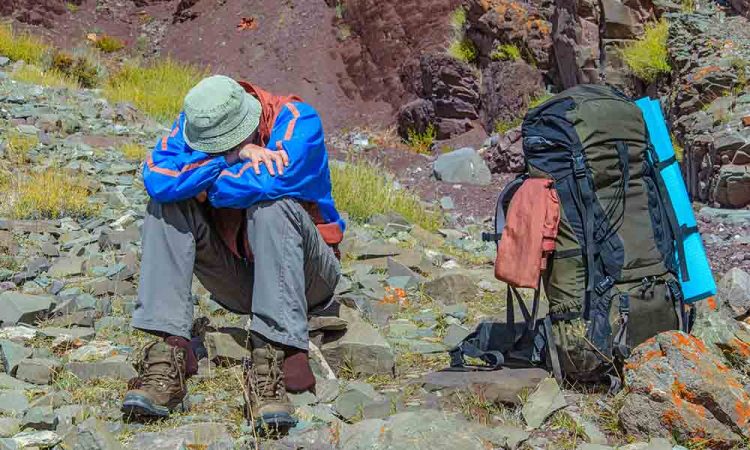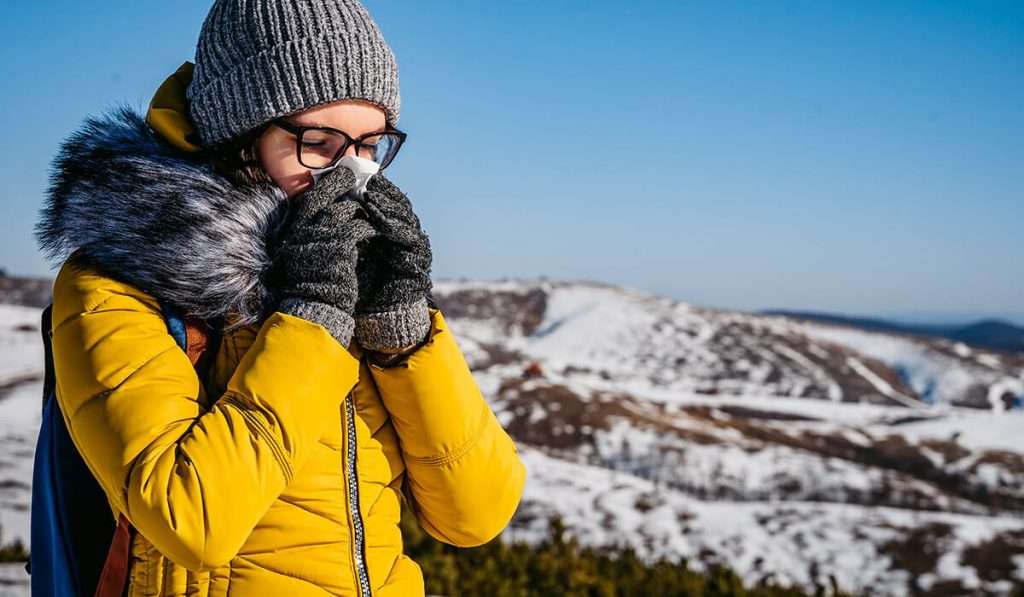

"Altitude sickness doesn't discriminate between the young and old, fit and unfit. It's a physiological response to decreased oxygen that requires respect, awareness, and proper management for a safe Kilimanjaro summit."
Altitude sickness, medically known as Acute Mountain Sickness (AMS), represents one of the most significant challenges facing climbers attempting Mount Kilimanjaro. As Africa's highest peak at 5,895 meters (19,341 feet), Kilimanjaro's summit sits in the "death zone" where oxygen levels are approximately 49% of those at sea level. Understanding how to prevent, recognize, and manage altitude-related illnesses is crucial not only for summit success but more importantly, for climber safety.
Understanding Altitude Sickness: The Science Behind AMS
Altitude sickness occurs when your body cannot get enough oxygen from the air at high elevations. As you ascend, atmospheric pressure decreases, reducing the amount of oxygen molecules in each breath. Your body must work harder to deliver oxygen to your tissues, leading to various physiological responses that can develop into AMS, High Altitude Pulmonary Edema (HAPE), or High Altitude Cerebral Edema (HACE).
Research indicates that approximately 75% of climbers on Kilimanjaro will experience mild symptoms of altitude sickness, while 10-15% may develop more severe forms requiring medical intervention or descent.
The primary factors influencing susceptibility to altitude sickness include:
- Rate of ascent - the single most important factor
- Individual physiological response to hypoxia
- Previous altitude experience
- Genetic predisposition
- Current health status and hydration levels
Recognizing the Symptoms: From Mild to Severe
Early recognition of altitude sickness symptoms is crucial for proper management. Symptoms typically appear 6-12 hours after ascent and can range from mild discomfort to life-threatening conditions.

Understanding the progression of altitude sickness symptoms helps in early detection and intervention
Mild to Moderate AMS Symptoms
These symptoms are common and usually manageable with proper care:
Headache: The most common symptom, often described as throbbing and worsening at night or with exertion. Unlike regular headaches, altitude headaches typically don't respond well to over-the-counter pain medication.
Nausea and Loss of Appetite: Many climbers experience digestive disturbances, including nausea, vomiting, and complete loss of appetite, even when physically exhausted and in need of calories.
Fatigue and Weakness: Unusual tiredness that isn't proportional to physical exertion, combined with general lethargy and difficulty performing normal climbing activities.
Dizziness and Lightheadedness: Feeling unsteady or dizzy, especially when standing up quickly or changing positions rapidly.
Severe AMS and Life-Threatening Conditions
These symptoms indicate progression to severe AMS, HAPE, or HACE and require immediate descent:
Severe Headache: Unrelenting headache that doesn't respond to medication, often described as the worst headache of one's life.
Ataxia: Loss of coordination and balance, difficulty walking heel-to-toe in a straight line, stumbling, or dropping objects.
Mental Changes: Confusion, disorientation, hallucinations, or changes in behavior that are noticeable to others in the climbing party.
Respiratory Symptoms: Persistent dry cough, shortness of breath at rest, gurgling or rattling sounds in the chest, or coughing up pink, frothy sputum.
75%
Experience mild AMS symptoms
3-5%
Develop severe AMS requiring descent
10-25
Fatalities occur annually on Kilimanjaro
Prevention Strategies: Your Best Defense Against AMS
Preventing altitude sickness begins long before you set foot on the mountain and continues throughout your climb with careful attention to acclimatization, hydration, and pacing.
Proper Acclimatization: The Golden Rule
The single most effective prevention strategy is proper acclimatization through gradual ascent:
Choose Longer Routes: Opt for routes that take 7-9 days rather than shorter 5-6 day itineraries. The Lemosho and Northern Circuit routes offer better acclimatization profiles than the Marangu or Machame routes.
Climb High, Sleep Low: Our guides strategically plan each day to maximize this principle, often including additional acclimatization hikes during the afternoon before descending to sleep at lower elevations.
Pole Pole (Slowly Slowly): The famous Swahili phrase that embodies the Kilimanjaro climbing philosophy. Maintaining a slow, steady pace allows your body to adjust to decreasing oxygen levels.
Medical Insight: Your body begins producing additional red blood cells within 24-48 hours of altitude exposure, but significant acclimatization takes 4-7 days. This is why longer routes dramatically improve summit success rates and reduce severe AMS incidence.
Medication and Supplemental Oxygen
While acclimatization should be your primary strategy, medications and supplemental oxygen can provide additional protection against altitude sickness.

Proper use of altitude medications requires consultation with healthcare professionals
Acetazolamide (Diamox)
This prescription medication can help prevent and reduce symptoms of AMS:
How it Works: Acetazolamide accelerates acclimatization by stimulating breathing and making blood more acidic, which triggers compensatory mechanisms that improve oxygen delivery.
Dosage and Timing: Typically started 1-2 days before ascent and continued until descent or 48 hours at the highest altitude. Common side effects include tingling in extremities and increased urination.
Important Considerations: Not suitable for everyone, particularly those with sulfa allergies. Always consult with a healthcare provider familiar with high-altitude medicine before use.
Dexamethasone
This steroid medication treats symptoms but doesn't aid acclimatization:
Emergency Use: Primarily used for treating severe AMS, HACE, or as a preventive measure during rapid ascent when acclimatization isn't possible.
Limitations: Masks symptoms without addressing the underlying physiological issues, creating potential safety risks if used improperly.
Supplemental Oxygen
Many premium Kilimanjaro operators now offer supplemental oxygen systems:
Preventive Use: Small amounts of supplemental oxygen during sleep can significantly improve sleep quality and aid acclimatization.
Emergency Use: Portable oxygen systems carried by guides provide immediate relief during summit attempts or for climbers showing severe symptoms.
Start Planning Your Adventure Today
Get expert advice and personalized safari itineraries from our local Tanzania specialists
Hydration and Nutrition at Altitude
Proper hydration and nutrition play crucial roles in altitude sickness prevention and overall climbing performance.
Hydration Strategies
Dehydration exacerbates altitude sickness symptoms and impairs acclimatization:
Fluid Intake Goals: Aim for 4-6 liters of water daily, monitoring urine color as a simple hydration indicator (pale yellow indicates proper hydration).
Electrolyte Balance: Include electrolyte supplements or balanced rehydration solutions to prevent hyponatremia (low blood sodium) from overconsumption of plain water.
Avoid Dehydrating Substances: Limit caffeine and completely avoid alcohol, as both can contribute to dehydration and worsen AMS symptoms.
Nutritional Considerations
Altitude affects digestion and appetite, requiring strategic nutritional approaches:
Carbohydrate Emphasis: Focus on easily digestible carbohydrates that provide quick energy with minimal digestive effort.
Small, Frequent Meals: Combat loss of appetite by eating smaller portions more frequently throughout the day rather than relying on large meals.
High-Energy Snacks: Carry personal high-energy snacks that appeal to you, as food preferences often change at altitude.
4-6L
Daily water intake recommended
70-80%
Calories from carbohydrates
500-1000
Extra calories needed daily
Emergency Protocols: When to Descend
Recognizing when symptoms require immediate descent is the most critical decision in altitude sickness management.
The Lake Louise Score System
This internationally recognized tool helps objectively assess AMS severity:
Mild AMS (Score 3-5): Can usually continue ascent with careful monitoring and symptom management.
Moderate AMS (Score 6-9): Should not ascend further and may require descent if symptoms don't improve with rest.
Severe AMS (Score 10+): Requires immediate descent of at least 500 meters (1,640 feet) and medical evaluation.
Descent Decision Framework
Our guides follow strict protocols for determining when descent is necessary:
Absolute Descent Indicators: Symptoms of HACE (ataxia, mental status changes) or HAPE (respiratory distress at rest, cough with frothy sputum) require immediate descent regardless of other factors.
Relative Descent Indicators: Worsening symptoms despite rest and medication, inability to keep down fluids, or symptoms severe enough to prevent normal activity.
Precautionary Descent: For climbers with significant risk factors or concerning symptom progression, even without severe symptoms.
Descent is the only definitive treatment for severe altitude sickness. Portable hyperbaric chambers (Gamow bags) can provide temporary relief but should never delay descent in true emergencies. Our guides are trained to recognize when immediate evacuation is necessary.
Risk Factors and Pre-Existing Conditions
Understanding personal risk factors helps in preparing adequately and making informed decisions about Kilimanjaro climbing.
Medical Conditions Requiring Special Consideration
Certain conditions require medical clearance and special preparations:
Cardiovascular Conditions: Individuals with heart conditions require thorough medical evaluation, as altitude places additional strain on the cardiovascular system.
Respiratory Conditions: Asthma, COPD, or other lung diseases may be exacerbated by altitude, cold air, and physical exertion.
Pregnancy: Most operators, including ours, do not allow pregnant women to attempt Kilimanjaro due to unknown effects on fetal development at high altitude.
Recent Surgeries: Abdominal, chest, or brain surgeries within the previous year typically contraindicate high-altitude exposure.
Modifiable Risk Factors
Factors you can control to reduce your altitude sickness risk:
Physical Fitness: While fitness doesn't prevent AMS, it reduces overall physiological stress, making acclimatization more effective.
Sleep Quality: Prioritize good sleep habits before and during your climb, as sleep deprivation worsens AMS susceptibility.
Mental Preparation: Understanding altitude sickness reduces anxiety and helps climbers make rational decisions when symptoms occur.
Climb Kilimanjaro Safely With Expert Guidance
Our medically trained guides carry comprehensive emergency equipment and have extensive experience managing altitude sickness. Contact us to plan your safe Kilimanjaro adventure with the highest safety standards.