One Kilimanjaro
#Kilimanjaro Trekking Experts
Tripadvisor
Google
EN
English
Français
Deutsch
Español
Italiano
Tripadvisor
Google
EN
English
Français
Deutsch
Español
Italiano


Day to Day Program

Click on each day to explore the detailed itinerary and highlights

Day
1

Machame Gate to Machame Camp

Begin your ascent through lush rainforest

+

Your Kilimanjaro adventure begins at Machame Gate (1,800m) where you'll complete registration formalities. After meeting your guides and porters, we start our trek through the beautiful montane rainforest.

The trail winds through dense vegetation with opportunities to spot blue monkeys and various bird species. We'll enjoy a picnic lunch en route before reaching Machame Camp (3,000m) in the afternoon. The camp offers stunning views of the surrounding landscape as we settle into our first night on the mountain.

Rainforest Trek
Montane Forest
Machame Camp

Trekking Time: 5-7 hours

Elevation Gain: 1,200m

Accommodation: Mountain Camping

Day
2

Machame Camp to Shira Camp

Ascend through moorland to Shira Plateau

+

After breakfast, we continue our ascent, leaving the rainforest behind and entering the heather and moorland zone. The trail becomes steeper as we climb towards the Shira Plateau.

We'll trek through beautiful alpine landscapes with giant lobelias and groundsels dotting the terrain. As we approach Shira Camp (3,840m), we're rewarded with our first spectacular views of Kibo Peak. The air becomes noticeably thinner as we acclimatize to the higher altitude.

Moorland Zone
Shira Plateau
Altitude Acclimatization

Trekking Time: 4-6 hours

Elevation Gain: 840m

Accommodation: Shira Camp

Day
3

Shira Camp to Barranco Camp

Acclimatization day with Lava Tower ascent

+

Today we follow the acclimatization principle of "climb high, sleep low." We ascend to Lava Tower (4,630m) for lunch, giving our bodies excellent exposure to higher altitude before descending to Barranco Camp (3,950m).

This strategic itinerary significantly improves our acclimatization and increases summit success rates. The descent into the Great Barranco Valley offers spectacular views of the Breach Wall and surrounding glaciers. The famous Barranco Wall awaits us tomorrow morning.

Lava Tower Ascent
Great Barranco Valley
Altitude Adaptation

Trekking Time: 6-8 hours

Maximum Altitude: 4,630m

Accommodation: Barranco Camp

Day
4

Barranco Camp to Karanga Camp

Conquer the Barranco Wall and continue to Karanga

+

Today features the exciting scramble up the Barranco Wall - a non-technical but impressive rock face that offers stunning views of the surrounding landscape. This is one of the most memorable parts of the Machame route.

After conquering the wall, we traverse through valleys and ridges to Karanga Camp (3,995m). This shorter day allows for additional acclimatization and rest before our summit push. The camp sits in a beautiful valley with excellent views of the southern glaciers.

Barranco Wall
Scenic Traverse
Karanga Valley

Trekking Time: 4-5 hours

Elevation Gain: 45m

Accommodation: Karanga Camp

Day
5

Karanga Camp to Barafu Camp

Approach the base camp for summit attempt

+

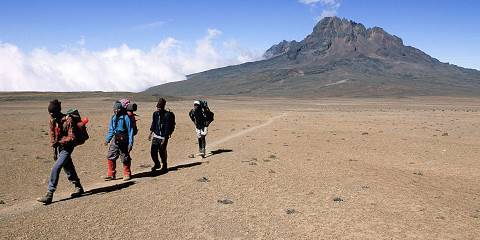
We continue our ascent to Barafu Camp (4,673m), which means "ice" in Swahili. The trail takes us through alpine desert with increasingly sparse vegetation as we approach the base of the summit cone.

We'll arrive at Barafu Camp for lunch and spend the afternoon resting and preparing for the midnight summit attempt. This is a crucial day - we'll hydrate well, check our equipment, organize our summit layers, and get as much rest as possible before the challenging night ahead.

Alpine Desert
Base Camp Preparation
Hydration Focus

Trekking Time: 3-4 hours

Elevation Gain: 678m

Accommodation: Barafu Camp

Day
6

Summit Day & Descent to Mweka Camp

Reach the roof of Africa and descend through forest

+

We begin our summit attempt around midnight, trekking by headlamp through the darkness. The climb to Stella Point (5,739m) is steep and challenging, but witnessing the sunrise from this vantage point is an unforgettable experience.

From Stella Point, we continue along the crater rim to Uhuru Peak (5,895m) - the highest point in Africa. After celebrating our achievement and taking photos, we descend back to Barafu Camp for a short rest before continuing down to Mweka Camp (3,100m) for our final night on the mountain.

Summit Success
Sunrise from Stella Point
Uhuru Peak Achievement

Summit Trek: 6-8 hours

Descent: 4-6 hours

Maximum Altitude: 5,895m

Day
7

Mweka Camp to Mweka Gate

Final descent and celebration

+

After a well-deserved breakfast, we begin our final descent through the lush rainforest to Mweka Gate. The trek down is much easier and faster than the ascent, giving us time to reflect on our incredible achievement.

At Mweka Gate, you'll receive your summit certificates - gold for those who reached Uhuru Peak and green for Stella Point. We'll then transfer you back to your hotel in Moshi or Arusha for a hot shower, celebration dinner, and restful sleep, celebrating your successful 6-day Machame route adventure.

Summit Certificates
Rainforest Descent
Celebration

Descent Time: 3-4 hours

Elevation Loss: 1,300m

Accommodation: Hotel

Book Your Kilimanjaro Trek

Reserve your spot for this unforgettable mountain adventure

What's Included

Package Details

Everything you need to know about what's included in your Kilimanjaro adventure

What's Included

All these services are covered in your package

Professional Guides

Licensed, experienced Kilimanjaro guides with wilderness first responder certification

All Meals on Mountain

Nutritious, high-energy meals prepared by our mountain chef (breakfast, lunch, dinner)

Mountain Camping Equipment

Quality tents, sleeping mats, and all necessary camping gear

Park Fees & Transfers

All park entry fees, rescue fees, and transfers to/from Machame Gate

Porter Support Team

Dedicated porters to carry equipment, food, and personal bags (max 15kg)

Drinking Water

Purified drinking water provided throughout the trek

Safety Equipment

Comprehensive first aid kit, emergency oxygen, and pulse oximeter

Summit Certificate

Official Kilimanjaro National Park summit certificate

What's Not Included

Additional expenses to consider

International Flights

Airfare to and from Kilimanjaro International Airport (JRO)

Visa Fees

Tanzania tourist visa (approximately $50-100 depending on nationality)

Pre/Post Trek Accommodation

Hotel nights before and after the climb (can be arranged separately)

Meals in Town

Meals not on the mountain (before and after the trek)

Tips for Crew

Gratuities for guides, cooks, and porters (recommended $250-350)

Travel Insurance

Comprehensive travel insurance including medical evacuation

Personal Gear

Clothing, sleeping bags, trekking poles (available for rental)

Alcoholic Beverages

Beer, wine, and other alcoholic drinks

Climbing Preparation

Frequently Asked Questions About Kilimanjaro Climbing

Find answers to common questions about climbing Mount Kilimanjaro via all routes and durations.


What is the best time of year to climb Kilimanjaro?

+

The best climbing seasons are January-March and June-October. January-March offers warmer temperatures with clearer skies, while June-October has drier conditions with excellent visibility. The long rainy season (April-May) and short rains (November) are less ideal due to slippery trails and cloud cover.

What is the success rate for this route?

+

Success rates vary by route and duration. Generally, longer routes have higher success rates due to better acclimatization. Machame Route (6 days: 75-85%, 7 days: 85-90%), Marangu Route (6 days: 65%, 5 days: 50%), Lemosho Route (7 days: 85%, 8 days: 90%). Our expert guides achieve above-average success rates through proper pacing and safety protocols.

How difficult is this route and what fitness level is required?

+

The Machame Route is considered more strenuous than Marangu but offers better acclimatization. While no mountaineering experience is required, excellent physical fitness is essential. You should be comfortable hiking 5-7 hours daily with a daypack. We recommend 2-3 months of regular cardiovascular training (hiking, running, cycling) and strength training focusing on legs and core.

What are the symptoms of altitude sickness and how is it managed?

+

Symptoms include headache, nausea, dizziness, fatigue, and shortness of breath. Our guides are trained in wilderness first aid and carry pulse oximeters to monitor oxygen saturation. We follow the "pole pole" (slowly slowly) approach, maintain proper hydration, and have emergency oxygen and descent protocols. The Machame route's excellent acclimatization profile helps minimize altitude issues.

What type of accommodation is provided during the climb?

+

The Machame Route uses high-quality mountain tents for accommodation. Our camping equipment includes comfortable sleeping mats, and we provide spacious dining tents with camp chairs and tables. All accommodations are selected for safety, comfort, and minimal environmental impact. This camping experience adds to the adventure of climbing Kilimanjaro.

What should I pack for my Kilimanjaro climb?

+

Essential items include: layered clothing for varying temperatures, quality waterproof jacket and pants, insulated jacket for summit night, thermal base layers, broken-in hiking boots, headlamp, sleeping bag rated to -10°C, daypack, and personal medications. We provide a comprehensive packing list upon booking and offer rental equipment for most items.

How many people are in a typical climbing group?

+

We maintain small group sizes of 4-10 climbers with a guide-to-client ratio of 1:2 on summit night and 1:4 during regular trekking days. This ensures personalized attention and safety. Private climbs can be arranged for individuals, couples, or custom groups with tailored pacing and flexibility.

What meals are provided during the trek?

+

Our professional mountain chefs prepare nutritious, high-energy meals including breakfast, lunch, and dinner plus snacks. Meals are designed for altitude trekking with carbohydrates for energy and adequate hydration. We accommodate dietary restrictions (vegetarian, vegan, gluten-free, etc.) with advance notice. Sample meals include porridge, soups, pasta, fresh vegetables, and protein sources.

What is the recommended tipping amount for the crew?

+

Tipping is customary and greatly appreciated. We recommend $250-350 per climber distributed as follows: Head Guide ($20-25/day), Assistant Guide ($15-20/day), Cook ($12-15/day), and Porters ($8-10/day each). Tips are typically collected and distributed collectively on the last day. Our staff work exceptionally hard to ensure your safety and success.

What safety measures are in place during the climb?

+

Our comprehensive safety protocol includes: certified Wilderness First Responder guides, daily health checks with pulse oximeters, emergency oxygen systems, satellite communication, carefully planned acclimatization schedules, and emergency evacuation procedures. We maintain one of the industry's best safety records through rigorous guide training and conservative altitude management.

Can I climb Kilimanjaro if I have no previous high-altitude experience?

+

Yes, many first-time high-altitude climbers successfully summit Kilimanjaro via the Machame route. The key factors are good physical fitness, mental preparedness, and the route's excellent acclimatization profile. We recommend the 7-day Machame option for complete beginners and suggest discussing any health concerns with your doctor before booking.

What makes this route different from other Kilimanjaro routes?

+

The Machame Route is known as the "Whiskey Route" and offers spectacular scenery, excellent acclimatization, and high success rates. It features diverse landscapes including rainforest, moorland, alpine desert, and the famous Barranco Wall scramble. Unlike Marangu which uses huts, Machame is a camping route that provides a more authentic wilderness experience with better acclimatization opportunities.

Premium Experiences

Recommended Kilimanjaro Packages

Machame Route 6 Days

Machame 6-Day Adventure

6 Days / 5 Nights

Machame Route - "Whiskey Route" Full Camping Experience Excellent Acclimatization
Lemosho Route 7 Days

Lemosho 7-Day Scenic Trek

7 Days / 6 Nights

Lemosho Route - Most Scenic Wilderness Camping Optimal Acclimatization
Marangu Route 5 Days

Marangu 5-Day Express

5 Days / 4 Nights

Marangu - "Coca-Cola Route" Mountain Hut Accommodation Fastest Summit Approach
Northern Circuit 8 Days

Northern Circuit 8-Day

8 Days / 7 Nights

Northern Circuit Route Premium Camping Experience Highest Success Rate
Rongai Route 6 Days

Rongai 6-Day Remote Trek

6 Days / 5 Nights

Rongai - Northern Approach Remote Wilderness Experience Drier Climbing Conditions
Umbwe Route 6 Days

Umbwe 6-Day Challenge

6 Days / 5 Nights

Umbwe - Steepest Route Advanced Climbers Only Most Direct Summit Approach

Start Planning Your Adventure Today

Get expert advice and personalized safari itineraries from our local Tanzania specialists